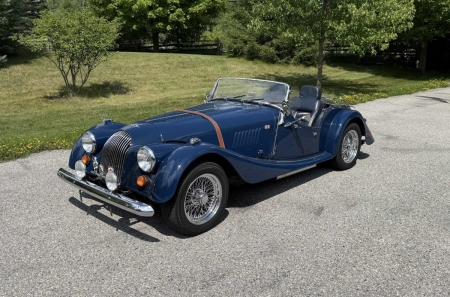
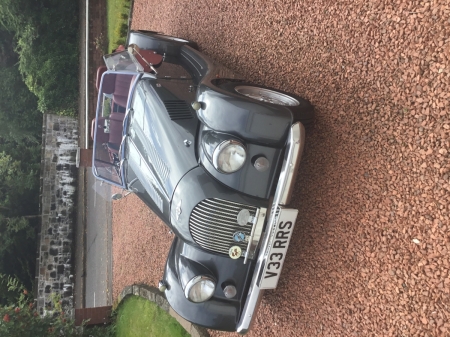
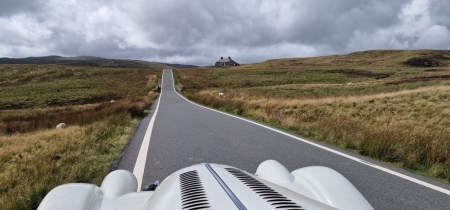
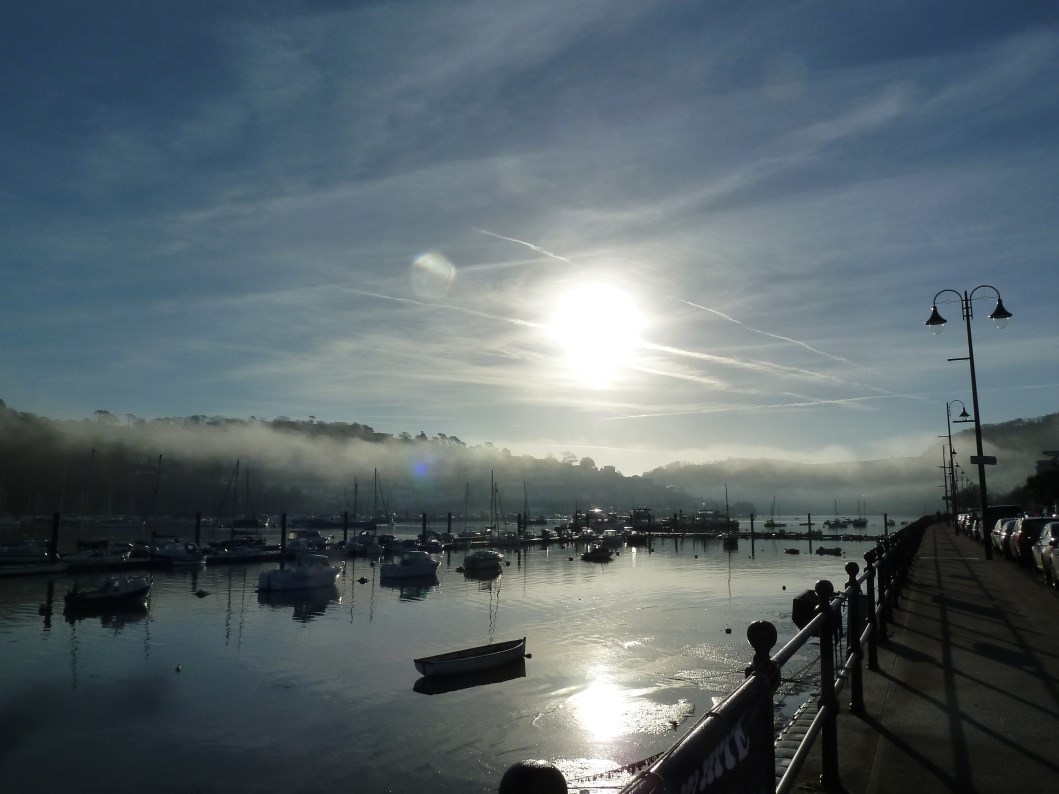
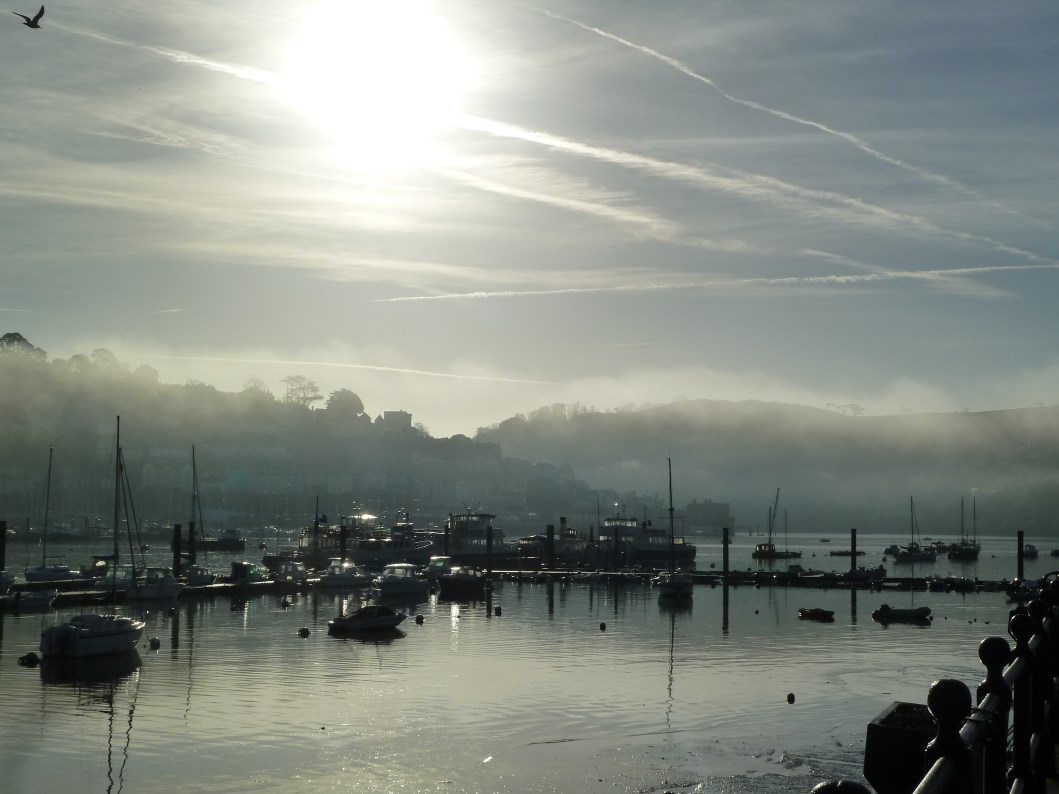
Nice photos.
We had a spectacular moon rising over the mountain here the other night. A couple of people at the place where I was were trying to photograph it. As always the details of the moon that you see with the naked eye are lost in the overexposure of the moon itself. It just goes to show how clever the human eye, and brain, is, in that it can handle both the brightness of the moon and the less bright landscape.
I think it works because at any given moment the human eye is only focused on a very small part of the overall scene. In the past I have photoshopped 2 photos together to get this effect.
Perhaps one of our photo buffs can explain this better?
Yes, very good pictures indeed, Dave.
You're right, Peter, the eye and brain is capable of rapidly adjusting to get the correct 'exposure' to be able to pick out details, and it does it by just looking at the bit that the eye is looking at. Thus you can see a much higher dynamic range of lighting in a single scene than a photograph is capable of.
The moon, although it's a fair distance away, is in full sunlight, and therefore the recommended starting exposure for photographing it is 1/250 f8.
In the old days photographers used to make multiple images at different exposures and then project different parts of the different negatives onto the same piece of photographic paper to get the right overall effect, it was a very highly skilled process, and difficult to get right.
Modern digital photography makes the whole business of stitching different exposures together very easy - almost too easy really, as it's so ubiquitous these days it's almost passé, and can sometimes can look pretty artificial especially when used with enhanced colour saturation.