The aluminium itself wont fare too badly. Yes it will oxidise but the oxide film is tenacious and it then protects the metal underneath. Remember the school chemi lessons demonstrating this? Strip the oxide layer of ally and drop it in water and it fizzes away to nothing. On the other hand your wife's ally pans stand up to boiling the sprouts into submission in salty water for years.
The issue with Aero bodies and Astons and Loti and F types will be that where you have steel fixings directly touching ally. If you then add an electrolyte in the form of a salt solution you create a battery and the anode ( the ally) gets eaten away. called galvanic corrosion. This affects the suspension mounts on the Elise and it does spectacular damage to the old Astons which were ally clad steel frames with no insulation in between. Where the ally is solid rather than sheet, it will mean that steel bolts into ally castings will become permanent because the oxide produced uses up more space than the metal its produced from so the fit gets ever tighter and its lubricated by that well known abrasive aluminium oxide.
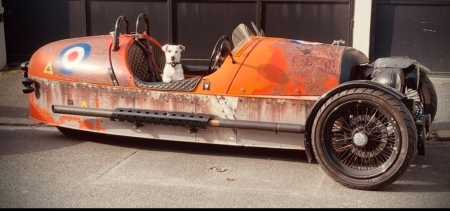
This issue is a complete PITA on boats where you have lots of stainless bolts into ally fittings and sea water sloshing about. So personally I wouldnt dream of using an ally bodied car on salty roads. Particularly one like a Morgan where you tend to own for long enough for problems to show up and where a company like MMC cant apply the same sort of undersealing technology that the likes of Porsche can.
And referring to another thread this is one good reason why GRP bodied cars are better than ally bodied ones.