As far as I’m aware there have been only a few specifically (statically) tuned special editions that take advantage of High Octaine fuel. As has already been called out - with these cars there is no choice as the ECU is statically coded to require it.
All other models certainly in the post carb era are set up (again statically) to run on 95 Oct. higher octaine fuel is a waste of time and tbh the adatives for cleaning benefit most, the engines that have a coaking issue such as the infamous 4.2 Audi V8’s.
Dynamically coded Normally Aspirated ECU’s do exist - the Aston Martin V8 Vantage being a great example. The ECU programming is very sophisticated and can significantly enhance performance based on fuel quality - on the flip side the ECU can literally save the engine when running on poor fuel found in some countries... a kind of one size fits all.
Forced induction cars (mainly turbo) cars also run a more dynamic ignition map to help with the variety of loading and boost conditions.... again a byproduct of this is that they can also adjust themselves for the absence of detonation brought on by higher octaine fuels. Hence the Jap car penchant for Tesco99.
Both the Turbo and AMV8 examples use knock sensors to identify detonation and allow the ECU to retard the ignition. Some of the latest variable compression engines take things further with the ability to reduce compression to help further reduce early detonation due to poor fuel combusting in an uncontrolled way through compression ignition.
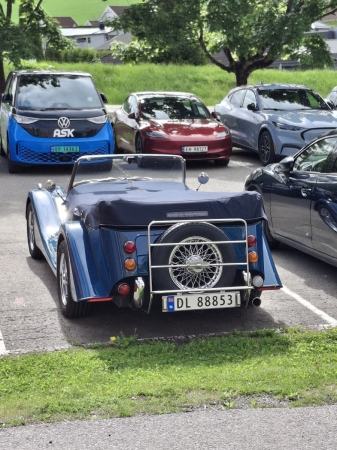
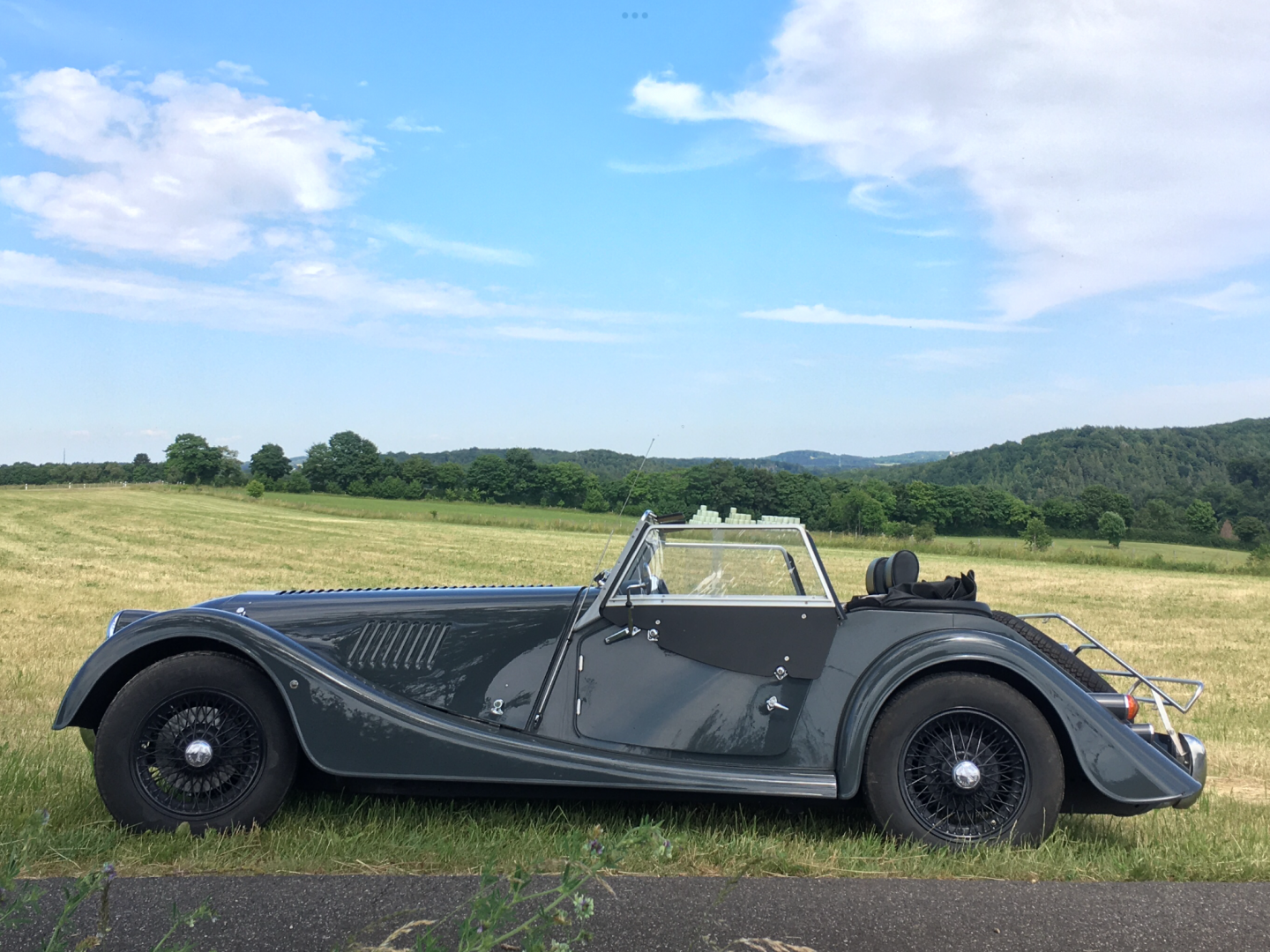
Cereal Surfer, you're a real professional and you've been in business a long time. So I would revise my statement and attribute the improvement at 98 octanes in the 4/4 rather to the better lubricants and the lower ethanol content. Maybe it's the illusion and the slightly higher price as well (but she really drives a bit better with 98 octane:)
It is interesting to learn that in the more modern ECU era mainly static ignition is used and also that there are only some examples for dynamic ignition adjustment, like the mentioned Aston Martin.
Your reasoning also makes sense that the mass-production manufacturer does not want to take any risks in all the different markets. So he orients his mapping to a safe petrol standard, but not to the highest premium.
And as Peter J writes, if it's geared to the highest premium, like the AMG, they can take back the early stage of ignition if only worse gasoline is available.
Since the 4/4 Ford Sigma engine as a worldwide mass market engine also has a static ignition setting as you write, (statically related to the knock sensor, not related to rpm)
I am glad that 1.5 years ago the garage who made a real rolling test when the ECU mapping was done, they recommended to keep the ignition to 95 octane sacrifying a few HP but being on the save side if 98 is not available. Therefore I had 95 octane in the tank during the mapping and I thought it would adapt anyway to higher octane as I wrote in my first post, but it's good that way now also. I‘m happy with sufficient power regarding the small car.