|
|
|
|
|
|
|
|
|
|
|
|
|
|
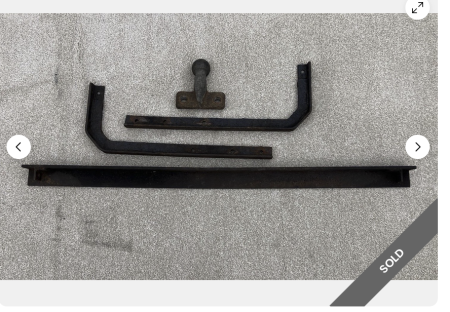
tow bar
by G Walker - 24/08/26 06:52 PM
|
|
|
Forums39
Topics49,836
Posts837,262
Members9,596
| |
Most Online1,063
Jun 14th, 2026
|
|
|
|
Joined: Feb 2016
Posts: 8,655 Likes: 407
Needs to Get Out More!
|

Needs to Get Out More!
Joined: Feb 2016
Posts: 8,655 Likes: 407 |
Engine lubrication has developed over the years starting with a man with an oil can feeling each bearing for noticeable heat and lubing accordingly. Glass oil reservoirs positioned directly over bearings followed. Then on larger engines a central high mounted oil chest immediately above a series of glass monitor tubes which were piped to individual bearings to allow gravity fed supply. The flow rate from oil chest measured by drips was controlled by individual valves. The positive loss waste oil was often burnt in the case of two stroke engines particularly if lubricant was mixed with fuel, or drained off at the end of engine use.
Wet sumped pressure pumped systems then replaced gravity feeds as power outputs increased requiring lubrication on greater bearing loads to prevent the oil film between moving parts being broken. Pressures were little more than a few psi though for the generous bearing surfaces and often just enough to allow oil to reach upper parts of engine. My 1936 Lister diesel required only 8 -15 psi at running rpm for example and barely 5 psi at idle. Being a marine diesel it also had a scavenge pump in the shallow sump to return oil to a remote large oil tank located high enough to guarantee a head of oil to pressure pump no matter how heavy the sea. Such dry sump systems are used today in race, some performance cars and older bikes of course for similar reasons.
The big end mounted dipper was an answer for slow revving engines often stationary and widely adopted by Lister to allow cylinder bore lubrication and possibly piston cooling from underneath. In many cases it didn't replace pressure lubrication still required elsewhere. Similarly my 1945 Guzzi single turns in such a direction to sling oil from pressure fed big end onto upper surface of horizontal cylinder.
Little thought was given to oil filtration on earlier engines. Perhaps a fine mesh gauze but little else, relying instead on regular oil changes. Important in such cases that non or low detergent oil is used in such allowing wear debris to fall to bottom of sump out of harms way rather than being encapsulated as with modern oils to be trapped by a full flow filter.
Richard
2018 Roadster 3.7
1966 Land Rover S2a 88
2024 Royal Enfield Guerrilla 450
1945 Guzzi Airone
|
|
|
|
|
|
|