It does. As well as old cars.
It attaches to water readily, causing a phase shift in the chemical make up and dropping the heavier elements to the bottom of the tank. This is where the fuel pump comes into play and gladly sucks it into the system quickly and causes all kinds a grief.
Alcohol free fuel lasts much longer without changing into varnish and separating but ethanol seems to glom onto contaminants and degrade quickly.
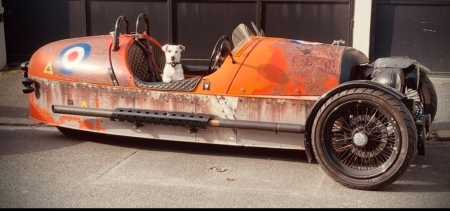
I'm now driving with a small bottle of dry gas as well as a conditioner, having no alcohol, to mix with every tank I buy. I don't feel I have a choice. The dry gas is a backup. It is composed of 98.5% isopropyl alcohol and is about as harsh as it gets to seals, gaskets and whatnot. Nasty stuff. It is used as a last resort. The fuel pump, designed for Land Rover, which is what we have in the M3W, has probably never had to deal with ethanol.