|
11 members (DJC, JohnHarris, +8Rich, John V6, Arwyn Williams, DCH, DPEvans, Stephen888, DickJ, CooperMan, Farmershands),
343
guests, and
59
robots. |
|
Key:
Admin,
Global Mod,
Mod
|
|
|
|
|
|
|
|
|
|
|
|
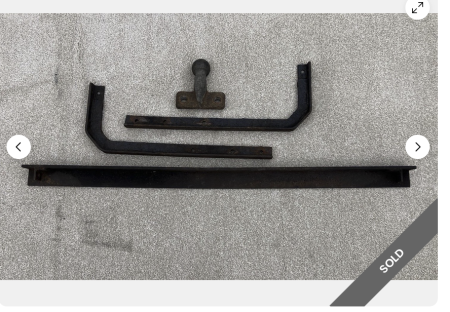
tow bar
by G Walker - 24/08/26 06:52 PM
|
|
|
|
|
Forums39
Topics49,836
Posts837,255
Members9,596
| |
Most Online1,063
Jun 14th, 2026
|
|
|
|
Joined: Dec 2018
Posts: 808 Likes: 29
Talk Morgan Regular
|

Talk Morgan Regular
Joined: Dec 2018
Posts: 808 Likes: 29 |
This is for Australia. Back in June 2010 there was a 45.7 Cent feed in tariff and electricity cost 13 cents. So yes the Solar panel feed in was subsidised. Now the feed in depending on the company is about 8 cents and electricity is about 28 cents, plus there is talk about a 2 cent tax to upgrade the network so it can cope with the amount of feed electricity being generated which would drop the feed in to 6 cents. So really the electricity companies are paying you less than they probably pay from the wholesalers.
Back in 2010 the payback was about 5 years with a 20 year contract so a nice profit after the system is paid off. Now it is also about 5 years due to much bigger systems costing the same as what a smaller system cost back in 2010, however most of the payback is from savings rather than feed-in. I almost feel the price of a solar system is tailored (manipulated) to get a 5 year payback to make it attractive within a reasonable time frame and that is the only thing that is constant.
Are you paying for other peoples subsidies? Yes for the early adopters but I don't think it is enough to be noticeable. Most of those contracts are getting close to the end of their life, many houses would have been sold and the contract is not transferable so the 45.7 cents would only be 8 cents. Most systems fitted back then are probably 20% the size of a system fitted these days. I feel the number of KW being paid for at 45.7 cents is not much and not going to cause anything noticeable on your bill assuming you don't have solar at all.
Our house has Gas heating, Gas hot water, Gas cooking and a wood slow combustion stove. New houses are not allowed Gas anything and definitely no wood slow combustion stoves. We plan to move and rebuild in about two years to an area that is flatter and easier to look after, when I do I am going to pay more for Electricity but not have any Gas or wood to pay for. But that also means I am going to use more electricity and be 100% reliant on electricity.
The current infrastructure can't handle the current load so needs upgrading due to more people, houses that are all electricity as gas is phased out and people replacing petrol cars with either EVs or PHEVs.
Hydro is brilliant for balancing load to demand, if you need more open the dam more, if you need less then shut off the dam, you could even use some excess power to pump the water back up into the dam. Solar and Wind is hopeless as you can't stop the wind and keep it for later, or turn the sun off and turn it back on at night when it is needed to meet demand. So we need more batteries or other ways to store the power between the time it is generated and the time it is needed. Unfortunately even with over 120 operating hydroelectric power stations Hydro generates only 6% of Australia's Electricity.
So to answer your question I feel we are all paying for the infrastructure to be upgraded to cope with the higher demand and the ability to store power to balance the demand on the grid, and you have no choice but to suck it up.
But better than the alternative of constant power failures and times with no electricity, especially after moving away from a house with a wood heater and gas hot water and cooking which worked fine during a 3 day outage we had recently. When the power failed in our street the first thing they did was walk around the houses with solar and disconnect the systems to ensure no electricity was in the grid/houses where the failure was while they went about repairing it, so we had no power even with solar panels, no-one in the street has back up batteries so i don't know if they would have disconnected those for safety as well. I did use my Mitsubishi Outlander to power the fridge.
|
|
|
|
|
Joined: May 2015
Posts: 1,815 Likes: 32
Talk Morgan Enthusiast
|
|
Talk Morgan Enthusiast
Joined: May 2015
Posts: 1,815 Likes: 32 |
these are exactly the numbers you find in the text poted by BertR Not really, as I see it. Firstly it's an article written by one man in 2020, not a study. Secondly the claimed costs of a unit of renewable electricity are ludicrous today, let alone back in 2020 Thirdly, the article does not mention that the vast proportion of the renewables used to support the argument are from hydro power, something unusable for most countries, especially UK. Looking at his updated article (2021 I think) is more revealing of his data...https://ourworldindata.org/renewable-energy However, it was educational, but I'm still looking.... Not sure how you account for all the military adventurism supporting the chase for oil... what % of the Iraq war cost was to support the oil companies interests there? And the other way round - what is the long term economic cost of buying Solar panels from a Chinese dictatorship?
M3W5sp 2015, MSCC, MTWC, Oxon UK
|
|
|
|
|
Joined: Mar 2009
Posts: 3,824 Likes: 69
Talk Morgan Addict
|
|
OP
Talk Morgan Addict
Joined: Mar 2009
Posts: 3,824 Likes: 69 |
these are exactly the numbers you find in the text poted by BertR Not really, as I see it. Firstly it's an article written by one man in 2020, not a study. Secondly the claimed costs of a unit of renewable electricity are ludicrous today, let alone back in 2020 Thirdly, the article does not mention that the vast proportion of the renewables used to support the argument are from hydro power, something unusable for most countries, especially UK. Looking at his updated article (2021 I think) is more revealing of his data...https://ourworldindata.org/renewable-energy However, it was educational, but I'm still looking.... Not sure how you account for all the military adventurism supporting the chase for oil... what % of the Iraq war cost was to support the oil companies interests there? And the other way round - what is the long term economic cost of buying Solar panels from a Chinese dictatorship? Excellent points.
|
|
|
|
|