Click here to return to the home page.
Image of a road.
Who's Online Now
0 members (), 311 guests, and 33 robots.
Key: Admin, Global Mod, Mod
Top Posters(30 Days)
+8Rich 86
Newest Members
Scot_SJI, Jimmers, Breen60, Davidmog, Stevecarr
9,596 Registered Users
Newest Topics
Back to Morgan!
by SteveT - 28/08/26 07:12 PM
One for howard
by +8Rich - 28/08/26 10:05 AM
Renewing the twin aero horns
by Moggo - 27/08/26 05:24 PM
4-4 zetec Fuel filter
by Phil63 - 27/08/26 03:38 PM
CX Auto lock
by TeddyAds - 27/08/26 12:56 PM
3.7 Roadster Greasing Q
by ScottMellor - 26/08/26 05:31 PM
For Sale 4/4 Morgan exhaust Pipes
by stumog - 26/08/26 10:24 AM
Latest Photos
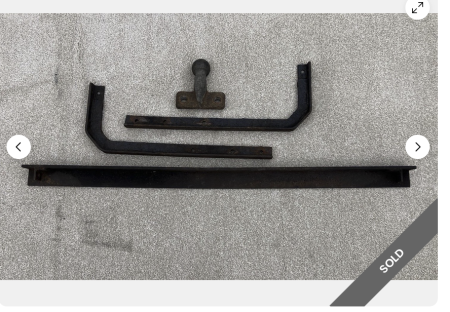
tow bar
tow bar
by G Walker, August 24
Prescott double anniversary
by CooperMan, August 18
Air Crash Sites: Cairngorms
by RedThree, August 13
Four-seater luggage rack
by Soleng, August 9
New M3W orange 2012
New M3W orange 2012
by jejemek, August 7
Forum Statistics
Forums39
Topics49,844
Posts837,360
Members9,596
Most Online1,063
Jun 14th, 2026
Today's Birthdays
There are no members with birthdays on this day.
Thread Like Summary
CooperMan, waikiore
Total Likes: 2
Original Post (Thread Starter)
by Heinz
Heinz
I'm about to do an oil change on my 4/4 1.6 TI VCT. I've been thinking about the old threads on oil here. Currently I have a guest from Chicago, a friend who works in the audio industry as an engineer. He also has a friend who works in the engine development at Ford USA. I asked his advice. My guess was that shear strength means that the camshafts are protected. Ford oil do not do it just because they want to reduce the overall fleet gas consumption. You have a little more resistance with a shear strength and therefore a little higher petrol consumption but a far better protection of the cam shafts. The Ford spec oil has lower friction but when the engine is running at temperature the oil loses its protection (partly) and the film is too thin. Especially if you drive sporty with a lot of high revs as I like to do so.

And here is his fresh answer to my Q, even if he works for Ford:

„Definitely upgrade to a thicker hot weight oil 5W30 or 5W40 even for long extended periods of high rpm. Also use a good synthetic with high HTHS (shear strength at temperature)“

So I know I now will test a good oil, more so of Mercedes HTHS specification than a Ford specification. I will post how it works.
Liked Replies
by Moggo
Moggo
Forgetting the pros and cons as to the grades and types of oil to use for a minute I would like to remind those looking for an oil that will survive long service intervals that the products of combustion and wear fouling the innards of your engine can significantly reduce engine life. Consider changing oil in half the time recommended in your manual and that by doing this you can double the life expectancy of your engine.
1 member likes this
by sewin
sewin
Yep fully agree with cooper man re the mineral oil. These are modern engines and fully synthetic is the way to go here!

4w-40 well I have no knowledge of that as a grade... So let's look at 5w-30 and 5w-40. First number is a winter rating or a cold rating temperature and the second number is for hot temperatures. Basic advice is don't mess with the first rating or W number. This is the lightest oil viscosity your engine can maintain mechanical separation, ie. prevent metal to metal wear contact.
Now to the second number. Ford would have a small turbo in most of these engines and would run as standard 5W-30 in order to successfully lube the turbo, Well there's more to it than just that, and it's all a compromise! So how hard do you drive your car? If you race it and always run hot I'd suggest you use 5W-40 as this second grade will give you greater component separation when hot over the 30 grade. The oil manufacturers would tell you this.... In Europe where temperatures rarely exceed 30'c 5w-30 would be the oil of choice in hotter climes use 5W-40. So generally for the cooking version of your engine 5W-30 is fine but you probably will run hot from time to time and you have no turbo to consider with small oil ways so I would go with 5W-40 and in fact I do.... it will protect your engine more! The next thing is to change your oil way sooner than any car manufacturer would suggest.... it is the cheapest repair bill you will have! When I hear you ask! Well again it depends on use... track your car, come home and change your oil.... use it hard on the roads and start thinking 3500 mls, no more than 5000 mls and if you don't exceed that annually then change it once a year, at the end of the season rather than at the beginning so nothing toxic sits in there over winter! And please... don't believe those who tell you that at low mileages you don't need to change the filter every year! Yes you do! Never use a cheap filter they are not the same. Fortunately, Fomoco are excellent quality and K+N are good too! and what's a tenner to protect your engine?

I use a millers product, It's 5W 40 CFS nano ++. It's the best oil at the best price you will find, all the racing boys use it And I can assure you, you will notice a real difference! People will tell you that 5W-30 offers less resistance within the engine and you will feel that in acceleration.... total tosh and a performance oil like I have suggested with nano technology is way superior.


A note of caution here for those running older cars with say TR tech engines or older. You really are better sticking with a traditional 20/50 oil being semi synthetic or fully synthetic as they are designed to clean older engines and keep them clean. They will never have an oil change limit of more than 5000 mls or generally 6 months in time.
1 member likes this
Powered by UBB.threads™ PHP Forum Software 7.7.5