|
|
|
10 members (DPEvans, +4competion, +8Rich, JohnHarris, MartO, Alan Patterson, JMcL, Arwyn Williams, GrumpyPa, DaveW),
240
guests, and
61
robots. |
|
Key:
Admin,
Global Mod,
Mod
|
|
|
|
|
|
|
|
|
|
|
|
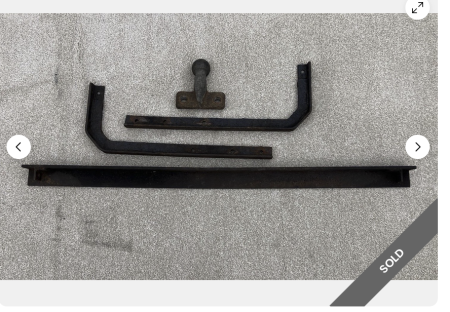
tow bar
by G Walker - 24/08/26 06:52 PM
|
|
|
|
|
Forums39
Topics49,836
Posts837,259
Members9,596
| |
Most Online1,063
Jun 14th, 2026
|
|
|
|
|
| by Peter J |
| Peter J |
It is reported a car transporter ship is abandoned and drifting off the Netherlands as a fire had become out of control. 30+ EVs on the ship going from North Europe to the Med, and onwards.
A year or so back VAG lost a load of cars when a ship caught fire and sank off the Azores.
It seems to me that EVs have shipping risks that are not being fully managed.
|
|
|
|
|
| by Peter J |
| Peter J |
Batteries are bombs in disguise because a battery contains a lot of combustable and reactive material as the electrodes are submerged in a liquid called an electrolyte, which allows for the movement of ions and consists of lithium salt and organic solvents. There is about 12kg of highly flammable lithium in a 75kwh battery and 9 Litres of solvent based electrolyte: It is these organic solvents which are the leading fire hazard in Li-ion batteries. Furthermore, the positively charged electrode (cathode) in the battery contains oxygen, which may be released if the battery is subjected to specific stresses, e.g., internal short, excessive heat, and more. This means that the Li-ion batteries have all the elements needed to self-sustain a fire.
In a powerful thermal incident, the Li-ion battery may release some of the flammable electrolyte along with various flammable/toxic gases such as hydrogen (H2), methane (CH4), carbon monoxide (CO) and hydrofluoric acid (HF). The amount and rate of the gas released depend on different parameters that are related to battery chemistry and the amount of electrical energy stored. A release of these flammable gases is what can cause fires and explosions.
As has been said the best thing to do with a burning battery is to retire and watch from. a safe distance.....
|
| 1 member likes this |
|
|
|
| by John V6 |
| John V6 |
Agreed & there are bolt ons for that & schemes to ban polluting cars. All I am saying is we need a mix to bridge the gap. Also trucks etc need hydrogen technolgy as do boilers. It isn't one size fits all & a rapid switch overs bins already used carbon for for new so the result is worse.
|
| 1 member likes this |
|
|
|
| by John V6 |
| John V6 |
Ys Ruut we do. I guess some of us feel there are other routes with less upfront carbon costs but the UK govt at least is forcing a route with EV where the charging infrastructure nor the generation power exists. Making existing ICE more carbonneutral is possible by green fuel.
|
| 1 member likes this |
|
|
|
| by Image |
| Image |
John V6 .... hazardous stuff ... but acknowledged as such, handled as such by trained people, hedged around by regulations and with planned and purpose built procedures and premises in place.
EVs on the other hand circulate amongst us in the hands of Joe Average, possibly parked in the integral garage of their semi under their bedroom ... left loose on the street...crashed, mistreated and in time will inevitably fall down the food-chain to where they will be 'serviced' by some bodger in a backstreet with a hammer.
Not as dangerous as nitro, but infinitely less managed. My guess is that as soon as a viable alternative battery/fuel/hydrogen vehicle comes on the scene the political imperative that glosses over the hazards of Li-on will disappear and current EVs will be worthless and quietly and quickly ushered off the road by the very people who are promoting them before the fruits of their dubious judgement come back to haunt them.
K
|
| 1 member likes this |
|
|
|
|
|