A: The original design had a tendency to fail, leading to the bolt coming out through the cover and the pulley to come off the crank, sometimes damaging the crank too. The updated version uses a conventional hex head bolt rather than a Torx Plus bolt plus a different pulley and Loctite. If it has been done, it's done, don't worry about it.
B: The original hub and sprocket combination put the belt very close to the tyre and it would often rub on the tyre sidewall. Also, basically MMC engineered the car so that there was a step between the front and rear sprockets rather than them being properly in line so they left the outside face flange of the sprocket off leaving the last 6mm or so of the belt running off the edge of the sprocket. This tended to give uneven wear on the already fast wearing original aluminium back sprocket. The later hub moved the sprocket away from the tyre, a bit closer to being in line with the front one and allowed it to retain the outer flange although it does tend to make the belt run against the outer flange and squeak when dry. There was also a change from aluminium to a steel rear sprocket which tended to go with the hub change. The aluminium ones wear quickly, sometimes incredibly quickly, while the steel version seems to just keep going, as it should. Steel one is a seriously heavy bit of kit but is the preferred option, pretty much fit and forget.
C: The urban cooling kit has a large cowl and fan, ties into the ECU and works automatically. I'll take a guess that what is on this car is a pair of smaller less visually intrusive fans adapted from one of the kits for big Harleys and works off a manual switch. Advantages of the factory cooling kit is that when at speed its ducting does a good job of directing the cooling air around the engine giving better, more even cooling (this wasn't by design, but more by happy accident!) and it just turns itself on when required. But it is quite big and obvious. Some people (including me) don't have any cooling fans and have never had the engine go into the over heating skip fire mode, but I live in north east Scotland, not the Emirates! Hot weather and traffic jams are kind of strangers to me. If the fans seem to work then "not broken, don't fix it" seems appropriate.
1: Not cheap, think it's in the £1000 range just for the parts and the engine has to come out to do it so it's a lot of work just to get to the point of being able to fit it. Sourced from MMC, any dealer should be able to get and fit it. If it hasn't been done, expect to get it done sooner or later. Maybe even negotiate to get it done (and the clutch checked while the engine is out) before the car leaves California.
2: Not essential to upgrade but the standard pipes do lead to a lot of heat being retained in the heads as they are so restrictively baffled and you are in a somewhat warm climate. Drilling out one or more of the baffle plates has worked for quite a few people which gives a much cheaper route to getting the heat out of the heads and reducing detonation. Drilled baffles and a bit of trimming of the restrictive stock air filter cover will get a lot of the benefit of Stage 1 tuning without the expense.
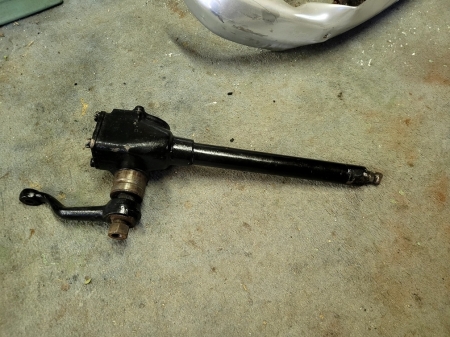
4: Agreed. Looks to be a "home made" comfort kit on the steering. This is not meant as an insult! Someone in California actually came up with a design very similar to what the factory subsequently did with the comfort kit and it could be from that source. The main difference, visually at least, was that while they both used similar tapered risers on top of the steering arms to raise the track rods up to something like parallel to the top wishbones, the factory kit also has a reinforcing bracket from the top of the suspension upright to the top of the riser while the Californian version didn't.
5: Later, forward, gear lever position gives a bit more elbow room and fewer bruised ribs for passengers. Can't see it as a deal breaker either way.
6: No idea.
7: See answer 6!
Have fun making the decision.