Thanks everyone...👍
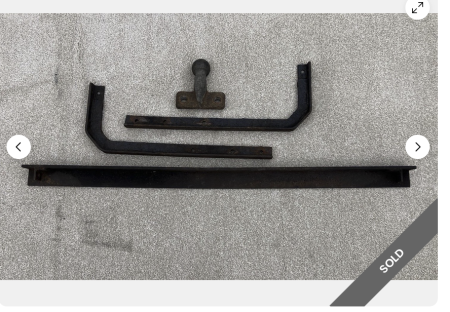
I have an early M3W Harley compensator in my garage in pieces. They had the round cylinder filed with grease to supposedly lube the Harley comp ramps, which it did a lousy job...👎 On the trans end the grease filled cylinder, bolts a BMW/Mercedes driveshaft isolation coupler that "looks" exactly like the "flex" coupler that KH uses in their new design. From hands on and research I've done in this type of "driveshaft" rear yoke coupling, there is NO radial wind up in either direction. They typically allow a bit, a few degrees, of axial alignment.
So in my opinion, if one were to use the KH setup you would lose all of the torque pulse wind up that the Centa is designed to allow. In a smaller way, Phil's urethane pucks deminish the radial wind up, but still allows some wind up.
My BMW/Mercedes coupler has either a carbon fiber or metal disc molded into it that eliminates any wind up. KH may have found another type of coupler, but I it sure looks like a driveshaft rear yoke coupler to me.
I thought the whole idea was to allow the torque pulses to be absorbed by the compensator thus saving the trans from unwanted hammering from the motor. Phil's pucks still allow some of the pulses to be absorbed, but I doubt much would be absorbed with the KH design. IF the trans is strong enough to take the beating, then the KH setup would be the best way to go.
Over the years people have used Harley motors coupled to VW transaxles workout any couplers, just motor clutch and flywheel. So just maybe the Miata 5-speed is up to the punishment.
Any other thoughts on this?