The IVA noise test for getting a kit car certified has specific criteria fora noise test. Combinations of microphone position for distance, angle, open space around the vehicle, no compromising external noise. Basically a test procedure under controlled conditions. I imagine similar for homologation of “normal” cars.
I am intrigued at how these noise cameras are able to be accurate in measuring a vehicle’s noise level with a decent accuracy. There are many variables to take into account. Directionality, sensitivity, accuracy, freedom from external interfering noises. How much leeway do they have to cater for these?
A speed camera has a simpler job to do and provided positioned and calibrated it is a capable device. Less interference from external sources.
Single digit decibel differences are actually large. Logarithmic if I remember. So setting a decibel figure limit means significant noise differences to trigger it or even approach it. I can see some interesting legal cases arguments cropping up with challenges.
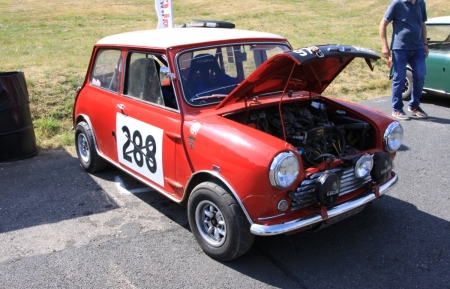
I don’t get the need to modify a car to make noises. Dump valves [ stupid noise for a road car) straight through exhausts, cherry bombs etc. OK for performance upgrades on track cars. Some standard production cars have bypass valves to divert past flow reducing components. Noise is also being used to impose speed limit reductions.
Interesting times ahead.