|
|
|
6 members (jejemek, Graham, G4FUJ, Montegue, Pittsartist, Image, James B W),
212
guests, and
64
robots. |
|
Key:
Admin,
Global Mod,
Mod
|
|
|
|
|
|
|
|
|
|
|
|
|
|
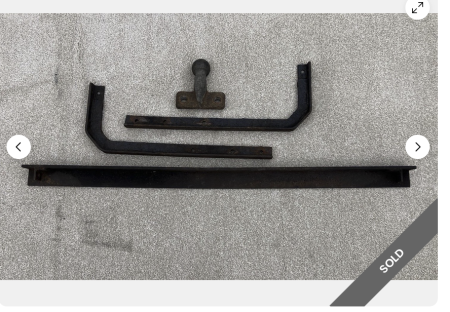
tow bar
by G Walker - 24/08/26 06:52 PM
|
|
|
Forums39
Topics49,836
Posts837,271
Members9,596
| |
Most Online1,063
Jun 14th, 2026
|
|
|
|
|
| by BigLes |
| BigLes |
Not strictly Morgan, nor Maintenance & Servicing, but here goes anyway - I have a pit in my double garage. My Morgan sits on the solid concrete floor to one side (on a carpet) and my wife's car sits sits to the other side on top of the cover to the pit (only one front o/s wheel actually rests on the cover). I am based in Somerset (yes you know - lots of rain & flooding) and our village has lots of underground springs - needless to say in the rainy winter months the pit lets water in through the bricks and block walls. Earler this week I pumped out 3.5 feet of water! As the water was getting low I could see water trickling in through gaps in the lower bricks/blocks. I could tank the whole pit but it's quite a big job, and I don't know how successful it would really be. So I though I would re-point the brick/breeze block lower down where the gaps are and the water seeps in.
So my question is ventilation. At present the water and moisture is contained in the pit, but whenever I lift the cover it is dripping with condensation. The cover has a steel frame but is primarily thick plywood. If I were to drill some 15-20mm holes in the cover to aid ventilation I'm assuming that could cause the atmosphere in the garage to increase the moisture content, which would do no good to either car (nor my tools). I don't have power or drainage to fit a float pump.
So should I create ventilation holes in the cover or keep the moisture contained in the pit?
|
|
|
|
|
| by Redfate |
| Redfate |
Hi BigLes,
It sounds to me like you're problem is more underground moisture rather than condensation.
I think shutting the cover on it and keeping it down there would be my choice.
If you vent it you could end up just worrying about your cars and tools everyday.
Winter doesn't last too long, sit it out and then consider lining it later. Maybe even just lining it with fibreglass matting.
Good luck
|
| 1 member likes this |
|
|
|
| by DaveW |
| DaveW |
My original garage floor is dampish through winter, and even three coats of floor paint done in summer over the yers has not solved it completely. But heavy duty carpet tiles contains the dampness. In the new extension side, from 1988, I dug the hole for the pit and lined the whole thing with Visqueen, a clear water barrier membrane. The pit is double thickness concrete blocks, and so far has remained dry, as has the floor, but still covered in carpet tiles. The pit cover is essentially railway sleeper sized timber, but they do swell a bit in winter.
The problem you have with ground water is tricky to sort. Cooperman knows about construction fixes, so might have a solution. Repointing might reduce ingress but the wall of water will still be there. For houses with solid walls, you can drill and pump a chemical into the brickwork to stop damp. It may not stop water but I would think about doing that. We had it done to my Mothers house years ago and it did help a lot.
Also in Summer you could paint the brickwork with anti damp paint. Otherwise stripping the brickwork out and lining the pit is a big job, but would fix it.
|
| 1 member likes this |
|
|
|
| by Image |
| Image |
George ... I sometimes use a neighbour's pit ... as far as H&S is concerned I go by the rule that if the frogs are jumping about lively enough then it's probably safe to breathe down there, but I should take care with the power-tools! 🙂
K
|
| 1 member likes this |
|
|
|
| by DaveW |
| DaveW |
I know someone who used hoover to clean out the rust from inside a petrol tank and the fumes exploded inside the hoover and blasted the contents of the bag quite a way.
|
| 1 member likes this |
|
|
|
|
|