Thanks Simon. My friend/nattering nabob of negativism raised three specific concerns: (i) PPF will peal and yellow with time and need to be replaced at significant cost; (ii) the PPF-covered portion of the paint will age differently than the rest of the paint, resulting in an uneven finish -- ditto ceramic-over-PPF; (iii) once you go with ceramic you are stuck with that as you "can't wax over ceramic". As my friend knew I already had PPF and ceramic I asked him what he had eaten for lunch (tuna sandwhich) and informed him that tuna was highly toxic and that his lunch would probably result in a slow and painful death.
Adam, I believe your friend is either basing his opinions on very outdated information or perhaps inexpensive, poorly installed, PPF.
Going back 26 years, it wasn't uncommon to see 911s, specifically Arctic Silver ones, with yellowing PPF sections. However, things have moved along a lot since then and as noted above, a professional installation of a reputable product, should not have issues of yellowing or peeling. Like most things in life, if you use a cheap product, chances are the longevity and quality will suffer; I'm sure you could purchase film that would yellow via the regular online shopping 'bazaars'. Chances are it will be shipped straight from across the world, the buyer will have paid $5.00 a roll and the quality will be as expected. The films professional - warranted - companies use is another level all together. I mentioned XPEL before and this film is now OEM fit to quite a few prestige auto makers; therefore, I can't see those manufacturers wanting to deal with warranty claims (generally 10-years on paint) due to film issues. XPEL also supply to the Marine and Aviation industries, so the durability has to stand up.
To me, where PPF makes less sense, is at the other end of the spectrum. I have a friend who paints and does bodywork on very high end vehicles and PPF is the bane of his existence. These vehicles come in, with damage, and he needs to strip the film, clean the panels and deal with the residue before he does anything else! The last time I visited his shop, there were two automotive icons in for work, both classics, both had full PPF. Neither had bodywork damage but both needed remedial paintwork due to age. As my friend said to me, 'PPF makes sense on something you use a lot but for these pampered cars, why bother.' He spent hours stripping film and residue off the panels prior to even starting to prep painting. From my side, having seen how intrusive an application of full PPF is, I'm not sure I'd want to subject a classic to that - chances are the trim you put back on would either get damaged when being stripped or reinstalled.
As for aging of panels, well, they are never going to age the same - which is why bonnets and roofs (of coupes) often look different to the doors and side panels. The weather is a beast, and sun in particular, will fade and change the paint and I'm yet to see it do it uniformly, for obvious reasons.
Lastly, sometimes people can be heavy handed and use a pressure washer to clean a car with PPF - I use one but don't get close. Without wishing to state the obvious, if you get too close, catch an edge, then there is always a chance it could lift; however, the same can be said for paint! I've watched someone catch a stone chip with a pressure washer and lift the paint in that section! With hand washing, using the right products, there isn't an issue and as discussed, you can ceramic coat and wax, should you wish (again using appropriate products).
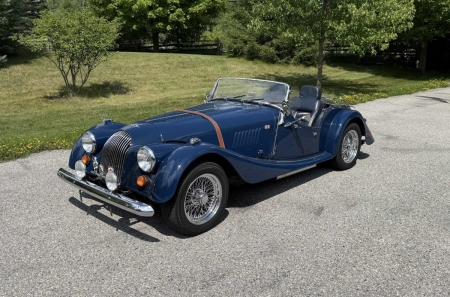
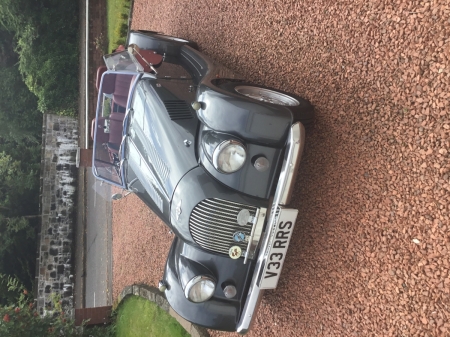
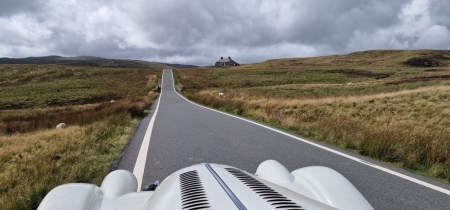
On a new Morgan and if you're going to use, tour in, etc, ppf makes sense to me. The same for daily drivers or someone's pride and joy that they actually want to use and put miles on.
Each to their own but I certainly wouldn't hesitate to add it to a vehicle or take it off one I purchased with it on (as long as it was professionally installed and a good product).