|
|
|
|
|
|
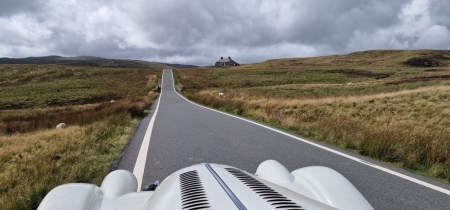
Wales
by Joske Vermeule, September 1
|
|
|
|
|
Forums39
Topics49,901
Posts838,046
Members9,635
| |
Most Online1,063
Jun 14th, 2026
|
|
|
There are no members with birthdays on this day. |
|
|
|
Joined: Sep 2011
Posts: 14,749 Likes: 158
Member of the Inner Circle
|

Member of the Inner Circle
Joined: Sep 2011
Posts: 14,749 Likes: 158 |
I live on an example of dramatic geological change. Don't bother to read on if you're not interested in geology  The huge area of the Po Plains was once a bay off the Mediterranean Sea (or at least the Adriatic). The bay has been silted up to form the Plains by a combination of rising an falling sea levels during the ice ages, wave action, rubble and sands washing down from the surrounding mountains and some geological movement. The most dramatic effect was the formation of the lakes. The base of the lakes, or the bottom of the valleys that the lakes lie in, were once at sea level. The whole area of the pre-alpine lakes then subsided by as much at 1,000 metres, glaciers then filled the lakes with ice up to a level of what would have then been 600 metres above sea level. This effectively protected the lakes from silting up and the summer rains carried the sand and rubble over the top of the ice and out to the then sea beaches. These dunes and deposits of rubble then effectively formed a barrier stopping the sea from re-entering. At that point the whole zone then started to rise again and to date has risen some 400 metres. The current level of the surface of lakes is at about 200 metres above sea level. Our town is built on the fluvial delta of the local river. Some of the large terraces where villages are built up above our town have been identified as ancient remnants of old fluvial deltas of the same river. Lake Como is 410 metres (1,358 feet) deep but that is just to the current base at the deepest part. The bottom of the sediment that has washed into the lake is probably another 200 metres further down. The high Alps in this area are still rising at an incredibly fast geological rate of 1mm per year. Fortunately for us this seems to be a gradual process without any huge seismic disturbances. The 2016 earthquakes in central Italy caused horizontal displacement of as much as 38 cm and vertical displacement of as much as 44 cm.
Peter ![[Linked Image]](http://bradley.it/public_images/drive.jpg)
|
|
|
|
Entire Thread
|

 Climate Change, The Facts
|
+8Rich
|
18/04/19 10:10 PM
|
|
Re: Climate Change, The Facts
|
BobtheTrain
|
18/04/19 11:10 PM
|
|
Re: Climate Change, The Facts
|
Northernmorgan
|
19/04/19 06:52 AM
|
|
Re: Climate Change, The Facts
|
MJF
|
19/04/19 09:06 AM
|
|
Re: Climate Change, The Facts
|
Hamwich
|
19/04/19 10:07 AM
|
|
Re: Climate Change, The Facts
|
TBM
|
19/04/19 07:20 PM
|
|
Re: Climate Change, The Facts
|
Northernmorgan
|
24/04/19 07:02 AM
|
|
Re: Climate Change, The Facts
|
TBM
|
24/04/19 07:20 AM
|
|
Re: Climate Change, The Facts
|
Burgundymog
|
24/04/19 08:51 AM
|
|
Re: Climate Change, The Facts
|
TBM
|
24/04/19 09:04 AM
|
|
Re: Climate Change, The Facts
|
howard
|
29/04/19 07:12 PM
|
|
Re: Climate Change, The Facts
|
Hamwich
|
29/04/19 07:24 PM
|
|
Re: Climate Change, The Facts
|
PaulV
|
29/04/19 09:37 PM
|
|
Re: Climate Change, The Facts
|
LightSpeed
|
29/04/19 09:44 PM
|
|
Re: Climate Change, The Facts
|
howard
|
30/04/19 08:05 PM
|
|
Re: Climate Change, The Facts
|
Clipper
|
01/05/19 03:19 PM
|
|
Re: Climate Change, The Facts
|
Graham, G4FUJ
|
01/05/19 03:20 PM
|
|
Re: Climate Change, The Facts
|
+8Rich
|
19/04/19 09:23 AM
|
|
Re: Climate Change, The Facts
|
PaulV
|
19/04/19 09:28 AM
|
|
Re: Climate Change, The Facts
|
+8Rich
|
19/04/19 09:32 AM
|
|
Re: Climate Change, The Facts
|
Peter J
|
19/04/19 09:45 AM
|
|
Re: Climate Change, The Facts
|
PaulV
|
24/04/19 01:15 PM
|
|
Re: Climate Change, The Facts
|
milligoon
|
19/04/19 11:57 AM
|
|
Re: Climate Change, The Facts
|
Neptune
|
19/04/19 12:09 PM
|
|
Re: Climate Change, The Facts
|
Peter J
|
19/04/19 01:25 PM
|
|
Re: Climate Change, The Facts
|
Alistair
|
19/04/19 02:30 PM
|
|
Re: Climate Change, The Facts
|
Hamwich
|
19/04/19 02:27 PM
|
|
Re: Climate Change, The Facts
|
Graham, G4FUJ
|
19/04/19 02:45 PM
|
|
Re: Climate Change, The Facts
|
+8Rich
|
19/04/19 04:53 PM
|
|
Re: Climate Change, The Facts
|
Neptune
|
19/04/19 05:23 PM
|
|
Re: Climate Change, The Facts
|
pete757
|
19/04/19 05:50 PM
|
|
Re: Climate Change, The Facts
|
Alistair
|
19/04/19 05:15 PM
|
|
Re: Climate Change, The Facts
|
+8Rich
|
19/04/19 05:21 PM
|
|
Re: Climate Change, The Facts
|
Neptune
|
22/04/19 02:50 PM
|
|
Re: Climate Change, The Facts
|
David_E
|
23/04/19 08:22 PM
|
|
Re: Climate Change, The Facts
|
Hamwich
|
24/04/19 10:49 AM
|
|
Re: Climate Change, The Facts
|
Peter J
|
24/04/19 01:00 PM
|
|
Re: Climate Change, The Facts
|
M3W55
|
25/04/19 07:13 PM
|
|
Re: Climate Change, The Facts
|
Northernmorgan
|
26/04/19 07:34 AM
|
|
Re: Climate Change, The Facts
|
Wirewheel
|
24/04/19 12:46 PM
|
|
Re: Climate Change, The Facts
|
Hamwich
|
24/04/19 12:52 PM
|
|
Re: Climate Change, The Facts
|
DaveW
|
24/04/19 01:11 PM
|
|
Re: Climate Change, The Facts
|
John V6
|
24/04/19 01:18 PM
|
|
Re: Climate Change, The Facts
|
John V6
|
24/04/19 01:20 PM
|
|
Re: Climate Change, The Facts
|
Peter J
|
24/04/19 03:51 PM
|
|
Re: Climate Change, The Facts
|
John V6
|
24/04/19 06:16 PM
|
|
Re: Climate Change, The Facts
|
Northernmorgan
|
24/04/19 05:38 PM
|
|
Re: Climate Change, The Facts
|
Heinz
|
24/04/19 06:33 PM
|
|
Re: Climate Change, The Facts
|
MJF
|
24/04/19 08:35 PM
|
|
Re: Climate Change, The Facts
|
Nick55
|
25/04/19 10:25 AM
|
|
Re: Climate Change, The Facts
|
DaveW
|
25/04/19 10:29 AM
|
|
Re: Climate Change, The Facts
|
LightSpeed
|
25/04/19 01:00 PM
|
|
Re: Climate Change, The Facts
|
BobtheTrain
|
25/04/19 01:39 PM
|
|
Re: Climate Change, The Facts
|
LightSpeed
|
25/04/19 02:17 PM
|
|
Re: Climate Change, The Facts
|
Graham, G4FUJ
|
25/04/19 04:25 PM
|
|
Re: Climate Change, The Facts
|
Burgundymog
|
25/04/19 04:30 PM
|
|
Re: Climate Change, The Facts
|
Rovert
|
25/04/19 06:19 PM
|
|
Re: Climate Change, The Facts
|
BertR
|
25/04/19 07:53 PM
|
|
Re: Climate Change, The Facts
|
CooperMan
|
26/04/19 08:21 AM
|
|
Re: Climate Change, The Facts
|
Gambalunga
|
26/04/19 10:28 AM
|
|
Re: Climate Change, The Facts
|
Gambalunga
|
25/04/19 04:44 PM
|
|
Re: Climate Change, The Facts
|
BobtheTrain
|
25/04/19 06:00 PM
|
|
Re: Climate Change, The Facts
|
MDS61
|
25/04/19 06:57 PM
|
|
Re: Climate Change, The Facts
|
Peter J
|
26/04/19 07:54 AM
|
|
Re: Climate Change, The Facts
|
rainbowj
|
25/04/19 08:04 PM
|
|
Re: Climate Change, The Facts
|
Gambalunga
|
25/04/19 09:42 PM
|
|
Re: Climate Change, The Facts
|
MJF
|
25/04/19 09:55 PM
|
|
Re: Climate Change, The Facts
|
Northernmorgan
|
30/04/19 06:13 AM
|
|
Re: Climate Change, The Facts
|
Hamwich
|
30/04/19 06:36 AM
|
|
Re: Climate Change, The Facts
|
DaveW
|
30/04/19 11:44 AM
|
|
Re: Climate Change, The Facts
|
Gambalunga
|
30/04/19 02:48 PM
|
|
Re: Climate Change, The Facts
|
Stewart S
|
30/04/19 09:23 PM
|
|
Re: Climate Change, The Facts
|
+8Rich
|
30/04/19 10:29 PM
|
|
Re: Climate Change, The Facts
|
Stewart S
|
30/04/19 11:30 PM
|
|
Re: Climate Change, The Facts
|
DaveW
|
01/05/19 03:33 PM
|
|
Re: Climate Change, The Facts
|
BobtheTrain
|
01/05/19 03:36 PM
|
|
Re: Climate Change, The Facts
|
LightSpeed
|
01/05/19 03:44 PM
|
|
Re: Climate Change, The Facts
|
+8Rich
|
01/05/19 04:59 PM
|
|
Re: Climate Change, The Facts
|
LightSpeed
|
01/05/19 06:13 PM
|
|
Re: Climate Change, The Facts
|
+8Rich
|
01/05/19 06:24 PM
|
|
Re: Climate Change, The Facts
|
Peter J
|
02/05/19 06:24 AM
|
|
Re: Climate Change, The Facts
|
LightSpeed
|
01/05/19 08:09 PM
|
|
Re: Climate Change, The Facts
|
+8Rich
|
01/05/19 08:18 PM
|
|
Re: Climate Change, The Facts
|
LightSpeed
|
01/05/19 08:43 PM
|
|
Re: Climate Change, The Facts
|
LightSpeed
|
02/05/19 11:36 AM
|
|
Re: Climate Change, The Facts
|
madmax
|
02/05/19 12:44 PM
|
|
Re: Climate Change, The Facts
|
+8Rich
|
02/05/19 06:08 PM
|
|
Re: Climate Change, The Facts
|
Stewart S
|
02/05/19 06:27 PM
|
|
Re: Climate Change, The Facts
|
MJF
|
02/05/19 06:34 PM
|
|
Re: Climate Change, The Facts
|
LightSpeed
|
02/05/19 06:43 PM
|
|
Re: Climate Change, The Facts
|
PeterG
|
02/05/19 07:11 PM
|
|
Re: Climate Change, The Facts
|
Northernmorgan
|
02/05/19 07:39 PM
|
|
Re: Climate Change, The Facts
|
The Austrian
|
02/05/19 09:07 PM
|
|
Re: Climate Change, The Facts
|
BobtheTrain
|
02/05/19 09:22 PM
|
|
Re: Climate Change, The Facts
|
Hamwich
|
02/05/19 09:33 PM
|
|
Re: Climate Change, The Facts
|
PeterG
|
02/05/19 11:16 PM
|
|
Re: Climate Change, The Facts
|
BobtheTrain
|
03/05/19 06:44 AM
|
|
Re: Climate Change, The Facts
|
Hamwich
|
03/05/19 09:49 AM
|
|
Re: Climate Change, The Facts
|
Gambalunga
|
03/05/19 10:09 AM
|
|
Re: Climate Change, The Facts
|
Peter J
|
03/05/19 11:22 AM
|
|
Re: Climate Change, The Facts
|
LightSpeed
|
02/05/19 07:43 PM
|
|
Re: Climate Change, The Facts
|
Gambalunga
|
03/05/19 09:31 AM
|
|
Re: Climate Change, The Facts
|
Gambalunga
|
03/05/19 09:47 AM
|
|
Re: Climate Change, The Facts
|
LightSpeed
|
03/05/19 11:39 AM
|
|
Re: Climate Change, The Facts
|
milligoon
|
03/05/19 11:37 PM
|
|
Re: Climate Change, The Facts
|
Gambalunga
|
04/05/19 07:17 AM
|
|
Re: Climate Change, The Facts
|
Gambalunga
|
04/05/19 07:43 AM
|
|
Re: Climate Change, The Facts
|
Graham, G4FUJ
|
04/05/19 07:53 AM
|
|
Re: Climate Change, The Facts
|
Gambalunga
|
04/05/19 08:00 AM
|
|
Re: Climate Change, The Facts
|
Graham, G4FUJ
|
04/05/19 08:05 AM
|
|
Re: Climate Change, The Facts
|
Gambalunga
|
04/05/19 08:12 AM
|
|
Re: Climate Change, The Facts
|
The Austrian
|
04/05/19 08:39 AM
|
|
Re: Climate Change, The Facts
|
sospan
|
04/05/19 01:11 PM
|
|
Re: Climate Change, The Facts
|
Gambalunga
|
04/05/19 07:55 AM
|
|
Re: Climate Change, The Facts
|
Hamwich
|
04/05/19 08:47 AM
|
|
Re: Climate Change, The Facts
|
Gambalunga
|
04/05/19 11:39 AM
|
|
Re: Climate Change, The Facts
|
Hamwich
|
04/05/19 11:45 AM
|
|
Re: Climate Change, The Facts
|
Gambalunga
|
04/05/19 12:02 PM
|
|
Re: Climate Change, The Facts
|
sospan
|
04/05/19 01:06 PM
|
|
Re: Climate Change, The Facts
|
Alistair
|
13/09/19 08:04 AM
|
|
Re: Climate Change, The Facts
|
CooperMan
|
13/09/19 02:09 PM
|
|
Re: Climate Change, The Facts
|
LightSpeed
|
13/09/19 02:22 PM
|
|
Re: Climate Change, The Facts
|
Georgetoad
|
04/05/19 03:10 AM
|
|
Re: Climate Change, The Facts
|
The Austrian
|
04/05/19 04:16 AM
|
|
Re: Climate Change, The Facts
|
Peter J
|
04/05/19 06:25 AM
|
|
Re: Climate Change, The Facts
|
DaveW
|
04/05/19 12:26 PM
|
|
Re: Climate Change, The Facts
|
LightSpeed
|
04/05/19 01:34 PM
|
|
Re: Climate Change, The Facts
|
BobtheTrain
|
04/05/19 09:05 PM
|
|
Re: Climate Change, The Facts
|
DaveW
|
04/05/19 01:48 PM
|
|
Re: Climate Change, The Facts
|
LightSpeed
|
04/05/19 03:10 PM
|
|
Re: Climate Change, The Facts
|
Gambalunga
|
04/05/19 04:10 PM
|
|
Re: Climate Change, The Facts
|
LightSpeed
|
04/05/19 04:29 PM
|
|
Re: Climate Change, The Facts
|
LightSpeed
|
04/05/19 09:20 PM
|
|
Re: Climate Change, The Facts
|
Neptune
|
05/05/19 09:13 AM
|
|
Re: Climate Change, The Facts
|
Northernmorgan
|
06/05/19 10:48 AM
|
|
Re: Climate Change, The Facts
|
DaveW
|
05/05/19 11:23 AM
|
|
Re: Climate Change, The Facts
|
Neptune
|
05/05/19 11:27 AM
|
|
Re: Climate Change, The Facts
|
SFG
|
06/05/19 08:33 AM
|
|
Re: Climate Change, The Facts
|
twotribes
|
12/09/19 10:16 PM
|
|
Re: Climate Change, The Facts
|
DaveW
|
06/05/19 12:06 PM
|
|
Re: Climate Change, The Facts
|
LightSpeed
|
06/05/19 12:35 PM
|
|
Re: Climate Change, The Facts
|
Neptune
|
12/09/19 06:02 PM
|
|
Re: Climate Change, The Facts
|
+8Rich
|
12/09/19 09:23 PM
|
|
Re: Climate Change, The Facts
|
LightSpeed
|
13/09/19 12:46 PM
|
|
Re: Climate Change, The Facts
|
Button
|
13/09/19 02:34 PM
|
|
|
|