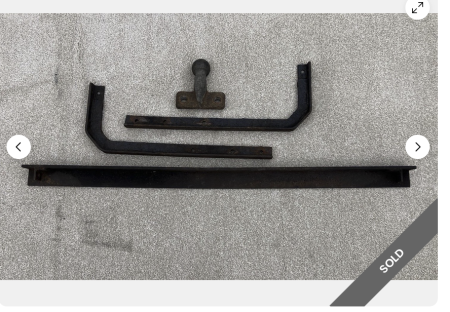
Thanks again for all the nice comments re the bump thingies and thanks René for your message.
Unfortunately, these aren’t the magic fix for all the nasty bangs and crashes that can happen at the rear of a trad. If the springs are in good condition, they can help prevent some of the infamous Morgan bottoming and add a bit of progressive stiffness to the suspension at the same time. However, they can do nothing for a car where the suspension is topping out under extension and producing that occasional disconcerting jolt or bang that some cars may have.
The tricky bit however is differentiating between the two types of events, bottoming and topping. In the heat of the moment when the car hits a bad spot on the road, the suspension reacts so quickly that you can’t easily tell if the issues is at the top or the bottom of the suspension travel, or even both. Fortunately topping out is easy to identify and deal with as it mostly because one or both dampers are too short. To establish this just whip out the top damper bolts, jack the car on the rear cross member to let the axle sit on the rubber drop stops and then try and re insert the top fixing bolts. If the damper’s top fixings won’t reach up to the mounting eye’s and you can’t easily insert the bolts, then most probably the dampers are too short and have been limiting the suspension. Unfortunately, this is not uncommon. Not only can it spoil your ride but will have been stressing all sorts of stuff that shouldn’t have been stressed
So, if you have some bad behaviour at the rear with no obvious reason, dare I suggest that this is the first check and particularly when fitting new dampers. Just because the dampers are a nice make and have come from a reputable dealer is not a guarantee that they will fit your particular car without checking.
![[Linked Image]](https://dl.dropboxusercontent.com/s/d4cagfwum5q400h/too%20short2.jpg)
A damper that’s too short.
Whilst I’m spouting and for anybody optimising those spacers or washer stacks on the damper’s top fixing bolts mentioned back in the thread, this is one technique that I have used in the past in an attempt to minimize those damper killer bending stresses that cars with damper hoops have. It just for interest and not a recommendation

Establishing and setting the spacer length whilst the suspension is at static ride height might not be the best approach. Depending on where the suspension is on its travel that length would vary. If you were to attach the damper at the bottom only and not constrain the top by just loosely fitting the top bolt with no spacer or nut and then bounce the rear, you would see that the gap actually opens and closes as the body goes up and down. I’ve found the gap varies by around 8 to 10mm. Most probably because the body moves at an angle of around 6 degs off the vertical with respect to the bottom fixing. The rear spring shackles are higher than the front so the springs aren’t operating in the horizontal.
With a regular trad (2 seater springs and no lowering blocks) the suspension’s static position is around 1/3 of the suspension’s full travel. Whoever originally conceived the trad appears to have aimed for the golden ratio, 1/3 droop and 2/3’s bump at static height, some might say
. So to minimize the stresses imposed on the dampers the spacer ideally needs to be optimized for mid travel and that’s the tricky bit. In the past I’ve tried to eyeball a reference measurement at the extreme end of the movement whilst bouncing the car, say when the axle hits the drop stops and adjust by 4 or 5mm to optimize the spacer or washer stack length, each side. All a bit fiddly but perhaps worth the effort.
Sorry for the ramble