|
|
|
|
|
|
|
|
Sold
by simon8201 - 09/09/26 01:46 PM
|
|
|
|
|
|
|
|
|
|
Wales
by Joske Vermeule, September 1
|
|
|
|
|
|
|
Forums39
Topics49,896
Posts837,990
Members9,635
| |
Most Online1,063
Jun 14th, 2026
|
|
|
|
Joined: Apr 2008
Posts: 12,265 Likes: 321
Scruffy Oik Member of the Inner Circle
|

Scruffy Oik Member of the Inner Circle
Joined: Apr 2008
Posts: 12,265 Likes: 321 |
They are saying that but and this is what annoys me, it comes with so called scientific calculations that are a prediction and not a fact.
The "scientific calculations" used to create the climate models are being seen to actually be rather conservative when compared to actual observations - so in that case one could legitimately criticise the models as being inaccurate. But what that tells us is that the climate is changing faster and in more detrimental ways than originally thought, not that we don't have a problem. Here's one example: 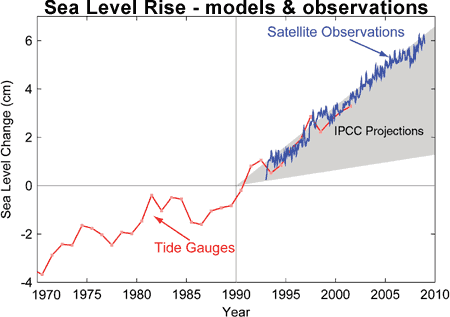 Observed sea level rise since 1970 from tide gauge data (red) and satellite measurements (blue) compared to model projections for 1990-2010 from the IPCC Third Assessment Report (grey band). (Source: The Copenhagen Diagnosis, 2009) Here, the models have understated the problem. In reality, observed sea level is tracking at the upper range of the model projections. There are other examples of models being too conservative, rather than alarmist as some portray them. All models have limits - uncertainties - for they are modelling complex systems. However, all models improve over time, and with increasing sources of real-world information such as satellites, the output of climate models can be constantly refined to increase their power and usefulness. There's loads more good scientific information over at http://skepticalscience.comMany people have made the perfectly reasonable point that the Earth has undergone massive climactic changes in the past and will survive the current changes too. Which is quite right, the only issue really is that unless we take action now it probably won't have many humans left on it, and those that do manage to stay alive will be fighting over resources like water and liveable habitat - and this will likely to be within our grandchildren's lifetimes.
Tim H.
1986 4/4 VVTi Sport, 2002 LR Defender, 2022 Mini Cooper SE
|
|
|
|
Entire Thread
|

 Climate Change, The Facts
|
+8Rich
|
18/04/19 10:10 PM
|
|
Re: Climate Change, The Facts
|
BobtheTrain
|
18/04/19 11:10 PM
|
|
Re: Climate Change, The Facts
|
Northernmorgan
|
19/04/19 06:52 AM
|
|
Re: Climate Change, The Facts
|
MJF
|
19/04/19 09:06 AM
|
|
Re: Climate Change, The Facts
|
Hamwich
|
19/04/19 10:07 AM
|
|
Re: Climate Change, The Facts
|
TBM
|
19/04/19 07:20 PM
|
|
Re: Climate Change, The Facts
|
Northernmorgan
|
24/04/19 07:02 AM
|
|
Re: Climate Change, The Facts
|
TBM
|
24/04/19 07:20 AM
|
|
Re: Climate Change, The Facts
|
Burgundymog
|
24/04/19 08:51 AM
|
|
Re: Climate Change, The Facts
|
TBM
|
24/04/19 09:04 AM
|
|
Re: Climate Change, The Facts
|
howard
|
29/04/19 07:12 PM
|
|
Re: Climate Change, The Facts
|
Hamwich
|
29/04/19 07:24 PM
|
|
Re: Climate Change, The Facts
|
PaulV
|
29/04/19 09:37 PM
|
|
Re: Climate Change, The Facts
|
LightSpeed
|
29/04/19 09:44 PM
|
|
Re: Climate Change, The Facts
|
howard
|
30/04/19 08:05 PM
|
|
Re: Climate Change, The Facts
|
Clipper
|
01/05/19 03:19 PM
|
|
Re: Climate Change, The Facts
|
Graham, G4FUJ
|
01/05/19 03:20 PM
|
|
Re: Climate Change, The Facts
|
+8Rich
|
19/04/19 09:23 AM
|
|
Re: Climate Change, The Facts
|
PaulV
|
19/04/19 09:28 AM
|
|
Re: Climate Change, The Facts
|
+8Rich
|
19/04/19 09:32 AM
|
|
Re: Climate Change, The Facts
|
Peter J
|
19/04/19 09:45 AM
|
|
Re: Climate Change, The Facts
|
PaulV
|
24/04/19 01:15 PM
|
|
Re: Climate Change, The Facts
|
milligoon
|
19/04/19 11:57 AM
|
|
Re: Climate Change, The Facts
|
Neptune
|
19/04/19 12:09 PM
|
|
Re: Climate Change, The Facts
|
Peter J
|
19/04/19 01:25 PM
|
|
Re: Climate Change, The Facts
|
Alistair
|
19/04/19 02:30 PM
|
|
Re: Climate Change, The Facts
|
Hamwich
|
19/04/19 02:27 PM
|
|
Re: Climate Change, The Facts
|
Graham, G4FUJ
|
19/04/19 02:45 PM
|
|
Re: Climate Change, The Facts
|
+8Rich
|
19/04/19 04:53 PM
|
|
Re: Climate Change, The Facts
|
Neptune
|
19/04/19 05:23 PM
|
|
Re: Climate Change, The Facts
|
pete757
|
19/04/19 05:50 PM
|
|
Re: Climate Change, The Facts
|
Alistair
|
19/04/19 05:15 PM
|
|
Re: Climate Change, The Facts
|
+8Rich
|
19/04/19 05:21 PM
|
|
Re: Climate Change, The Facts
|
Neptune
|
22/04/19 02:50 PM
|
|
Re: Climate Change, The Facts
|
David_E
|
23/04/19 08:22 PM
|
|
Re: Climate Change, The Facts
|
Hamwich
|
24/04/19 10:49 AM
|
|
Re: Climate Change, The Facts
|
Peter J
|
24/04/19 01:00 PM
|
|
Re: Climate Change, The Facts
|
M3W55
|
25/04/19 07:13 PM
|
|
Re: Climate Change, The Facts
|
Northernmorgan
|
26/04/19 07:34 AM
|
|
Re: Climate Change, The Facts
|
Wirewheel
|
24/04/19 12:46 PM
|
|
Re: Climate Change, The Facts
|
Hamwich
|
24/04/19 12:52 PM
|
|
Re: Climate Change, The Facts
|
DaveW
|
24/04/19 01:11 PM
|
|
Re: Climate Change, The Facts
|
John V6
|
24/04/19 01:18 PM
|
|
Re: Climate Change, The Facts
|
John V6
|
24/04/19 01:20 PM
|
|
Re: Climate Change, The Facts
|
Peter J
|
24/04/19 03:51 PM
|
|
Re: Climate Change, The Facts
|
John V6
|
24/04/19 06:16 PM
|
|
Re: Climate Change, The Facts
|
Northernmorgan
|
24/04/19 05:38 PM
|
|
Re: Climate Change, The Facts
|
Heinz
|
24/04/19 06:33 PM
|
|
Re: Climate Change, The Facts
|
MJF
|
24/04/19 08:35 PM
|
|
Re: Climate Change, The Facts
|
Nick55
|
25/04/19 10:25 AM
|
|
Re: Climate Change, The Facts
|
DaveW
|
25/04/19 10:29 AM
|
|
Re: Climate Change, The Facts
|
LightSpeed
|
25/04/19 01:00 PM
|
|
Re: Climate Change, The Facts
|
BobtheTrain
|
25/04/19 01:39 PM
|
|
Re: Climate Change, The Facts
|
LightSpeed
|
25/04/19 02:17 PM
|
|
Re: Climate Change, The Facts
|
Graham, G4FUJ
|
25/04/19 04:25 PM
|
|
Re: Climate Change, The Facts
|
Burgundymog
|
25/04/19 04:30 PM
|
|
Re: Climate Change, The Facts
|
Rovert
|
25/04/19 06:19 PM
|
|
Re: Climate Change, The Facts
|
BertR
|
25/04/19 07:53 PM
|
|
Re: Climate Change, The Facts
|
CooperMan
|
26/04/19 08:21 AM
|
|
Re: Climate Change, The Facts
|
Gambalunga
|
26/04/19 10:28 AM
|
|
Re: Climate Change, The Facts
|
Gambalunga
|
25/04/19 04:44 PM
|
|
Re: Climate Change, The Facts
|
BobtheTrain
|
25/04/19 06:00 PM
|
|
Re: Climate Change, The Facts
|
MDS61
|
25/04/19 06:57 PM
|
|
Re: Climate Change, The Facts
|
Peter J
|
26/04/19 07:54 AM
|
|
Re: Climate Change, The Facts
|
rainbowj
|
25/04/19 08:04 PM
|
|
Re: Climate Change, The Facts
|
Gambalunga
|
25/04/19 09:42 PM
|
|
Re: Climate Change, The Facts
|
MJF
|
25/04/19 09:55 PM
|
|
Re: Climate Change, The Facts
|
Northernmorgan
|
30/04/19 06:13 AM
|
|
Re: Climate Change, The Facts
|
Hamwich
|
30/04/19 06:36 AM
|
|
Re: Climate Change, The Facts
|
DaveW
|
30/04/19 11:44 AM
|
|
Re: Climate Change, The Facts
|
Gambalunga
|
30/04/19 02:48 PM
|
|
Re: Climate Change, The Facts
|
Stewart S
|
30/04/19 09:23 PM
|
|
Re: Climate Change, The Facts
|
+8Rich
|
30/04/19 10:29 PM
|
|
Re: Climate Change, The Facts
|
Stewart S
|
30/04/19 11:30 PM
|
|
Re: Climate Change, The Facts
|
DaveW
|
01/05/19 03:33 PM
|
|
Re: Climate Change, The Facts
|
BobtheTrain
|
01/05/19 03:36 PM
|
|
Re: Climate Change, The Facts
|
LightSpeed
|
01/05/19 03:44 PM
|
|
Re: Climate Change, The Facts
|
+8Rich
|
01/05/19 04:59 PM
|
|
Re: Climate Change, The Facts
|
LightSpeed
|
01/05/19 06:13 PM
|
|
Re: Climate Change, The Facts
|
+8Rich
|
01/05/19 06:24 PM
|
|
Re: Climate Change, The Facts
|
Peter J
|
02/05/19 06:24 AM
|
|
Re: Climate Change, The Facts
|
LightSpeed
|
01/05/19 08:09 PM
|
|
Re: Climate Change, The Facts
|
+8Rich
|
01/05/19 08:18 PM
|
|
Re: Climate Change, The Facts
|
LightSpeed
|
01/05/19 08:43 PM
|
|
Re: Climate Change, The Facts
|
LightSpeed
|
02/05/19 11:36 AM
|
|
Re: Climate Change, The Facts
|
madmax
|
02/05/19 12:44 PM
|
|
Re: Climate Change, The Facts
|
+8Rich
|
02/05/19 06:08 PM
|
|
Re: Climate Change, The Facts
|
Stewart S
|
02/05/19 06:27 PM
|
|
Re: Climate Change, The Facts
|
MJF
|
02/05/19 06:34 PM
|
|
Re: Climate Change, The Facts
|
LightSpeed
|
02/05/19 06:43 PM
|
|
Re: Climate Change, The Facts
|
PeterG
|
02/05/19 07:11 PM
|
|
Re: Climate Change, The Facts
|
Northernmorgan
|
02/05/19 07:39 PM
|
|
Re: Climate Change, The Facts
|
The Austrian
|
02/05/19 09:07 PM
|
|
Re: Climate Change, The Facts
|
BobtheTrain
|
02/05/19 09:22 PM
|
|
Re: Climate Change, The Facts
|
Hamwich
|
02/05/19 09:33 PM
|
|
Re: Climate Change, The Facts
|
PeterG
|
02/05/19 11:16 PM
|
|
Re: Climate Change, The Facts
|
BobtheTrain
|
03/05/19 06:44 AM
|
|
Re: Climate Change, The Facts
|
Hamwich
|
03/05/19 09:49 AM
|
|
Re: Climate Change, The Facts
|
Gambalunga
|
03/05/19 10:09 AM
|
|
Re: Climate Change, The Facts
|
Peter J
|
03/05/19 11:22 AM
|
|
Re: Climate Change, The Facts
|
LightSpeed
|
02/05/19 07:43 PM
|
|
Re: Climate Change, The Facts
|
Gambalunga
|
03/05/19 09:31 AM
|
|
Re: Climate Change, The Facts
|
Gambalunga
|
03/05/19 09:47 AM
|
|
Re: Climate Change, The Facts
|
LightSpeed
|
03/05/19 11:39 AM
|
|
Re: Climate Change, The Facts
|
milligoon
|
03/05/19 11:37 PM
|
|
Re: Climate Change, The Facts
|
Gambalunga
|
04/05/19 07:17 AM
|
|
Re: Climate Change, The Facts
|
Gambalunga
|
04/05/19 07:43 AM
|
|
Re: Climate Change, The Facts
|
Graham, G4FUJ
|
04/05/19 07:53 AM
|
|
Re: Climate Change, The Facts
|
Gambalunga
|
04/05/19 08:00 AM
|
|
Re: Climate Change, The Facts
|
Graham, G4FUJ
|
04/05/19 08:05 AM
|
|
Re: Climate Change, The Facts
|
Gambalunga
|
04/05/19 08:12 AM
|
|
Re: Climate Change, The Facts
|
The Austrian
|
04/05/19 08:39 AM
|
|
Re: Climate Change, The Facts
|
sospan
|
04/05/19 01:11 PM
|
|
Re: Climate Change, The Facts
|
Gambalunga
|
04/05/19 07:55 AM
|
|
Re: Climate Change, The Facts
|
Hamwich
|
04/05/19 08:47 AM
|
|
Re: Climate Change, The Facts
|
Gambalunga
|
04/05/19 11:39 AM
|
|
Re: Climate Change, The Facts
|
Hamwich
|
04/05/19 11:45 AM
|
|
Re: Climate Change, The Facts
|
Gambalunga
|
04/05/19 12:02 PM
|
|
Re: Climate Change, The Facts
|
sospan
|
04/05/19 01:06 PM
|
|
Re: Climate Change, The Facts
|
Alistair
|
13/09/19 08:04 AM
|
|
Re: Climate Change, The Facts
|
CooperMan
|
13/09/19 02:09 PM
|
|
Re: Climate Change, The Facts
|
LightSpeed
|
13/09/19 02:22 PM
|
|
Re: Climate Change, The Facts
|
Georgetoad
|
04/05/19 03:10 AM
|
|
Re: Climate Change, The Facts
|
The Austrian
|
04/05/19 04:16 AM
|
|
Re: Climate Change, The Facts
|
Peter J
|
04/05/19 06:25 AM
|
|
Re: Climate Change, The Facts
|
DaveW
|
04/05/19 12:26 PM
|
|
Re: Climate Change, The Facts
|
LightSpeed
|
04/05/19 01:34 PM
|
|
Re: Climate Change, The Facts
|
BobtheTrain
|
04/05/19 09:05 PM
|
|
Re: Climate Change, The Facts
|
DaveW
|
04/05/19 01:48 PM
|
|
Re: Climate Change, The Facts
|
LightSpeed
|
04/05/19 03:10 PM
|
|
Re: Climate Change, The Facts
|
Gambalunga
|
04/05/19 04:10 PM
|
|
Re: Climate Change, The Facts
|
LightSpeed
|
04/05/19 04:29 PM
|
|
Re: Climate Change, The Facts
|
LightSpeed
|
04/05/19 09:20 PM
|
|
Re: Climate Change, The Facts
|
Neptune
|
05/05/19 09:13 AM
|
|
Re: Climate Change, The Facts
|
Northernmorgan
|
06/05/19 10:48 AM
|
|
Re: Climate Change, The Facts
|
DaveW
|
05/05/19 11:23 AM
|
|
Re: Climate Change, The Facts
|
Neptune
|
05/05/19 11:27 AM
|
|
Re: Climate Change, The Facts
|
SFG
|
06/05/19 08:33 AM
|
|
Re: Climate Change, The Facts
|
twotribes
|
12/09/19 10:16 PM
|
|
Re: Climate Change, The Facts
|
DaveW
|
06/05/19 12:06 PM
|
|
Re: Climate Change, The Facts
|
LightSpeed
|
06/05/19 12:35 PM
|
|
Re: Climate Change, The Facts
|
Neptune
|
12/09/19 06:02 PM
|
|
Re: Climate Change, The Facts
|
+8Rich
|
12/09/19 09:23 PM
|
|
Re: Climate Change, The Facts
|
LightSpeed
|
13/09/19 12:46 PM
|
|
Re: Climate Change, The Facts
|
Button
|
13/09/19 02:34 PM
|
|
|
|